

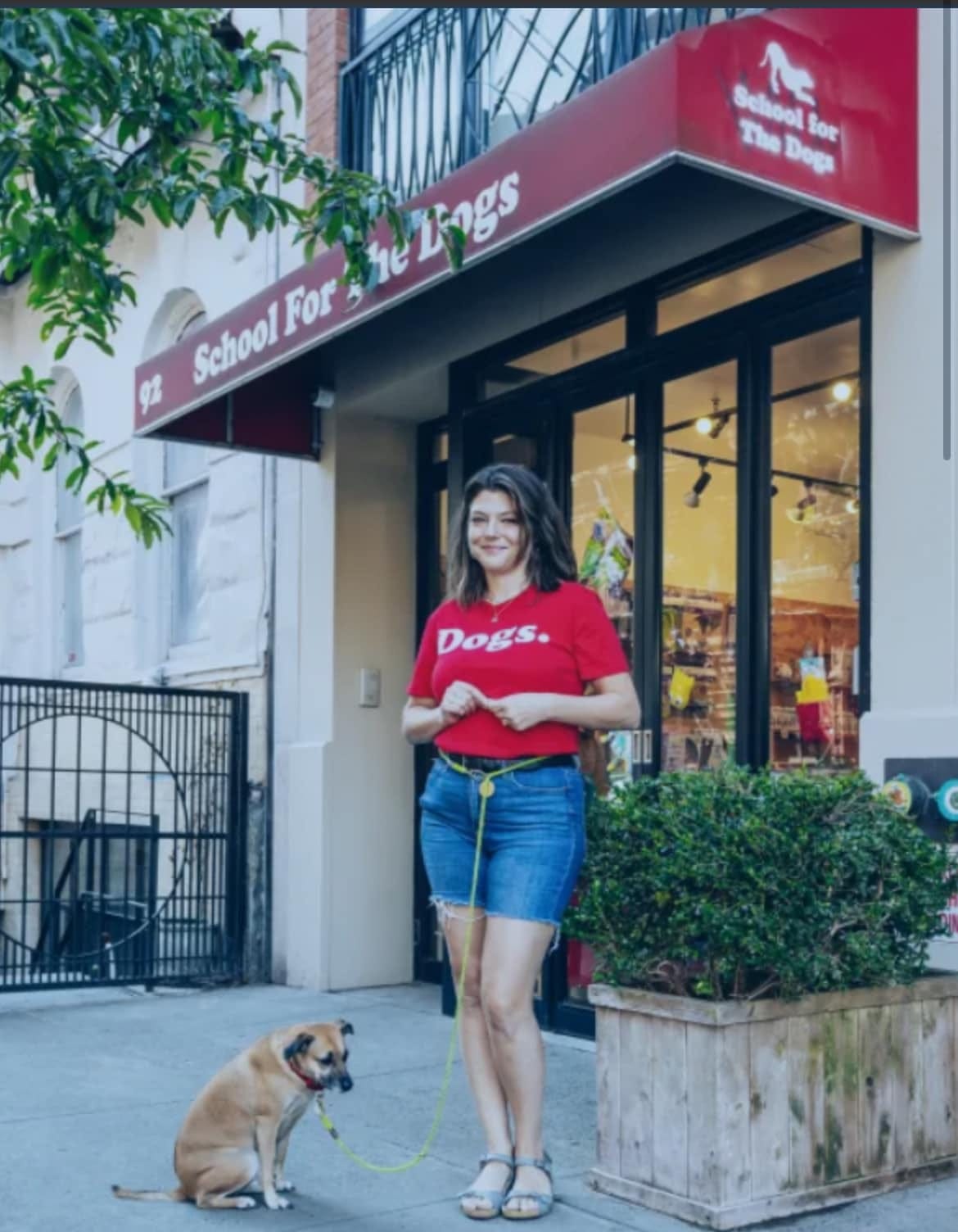
This is a story about my experience starting (and ultimately shuttering) a dog training business in New York City. (You can find the first part of the tale here). But, before I go there, I want to offer up a life tip that has nothing to do with small business ownership or dog training:
If you dream of being an artist, you may want to make peace with the fact that sometimes, the product of your best efforts is going to be… total crap.
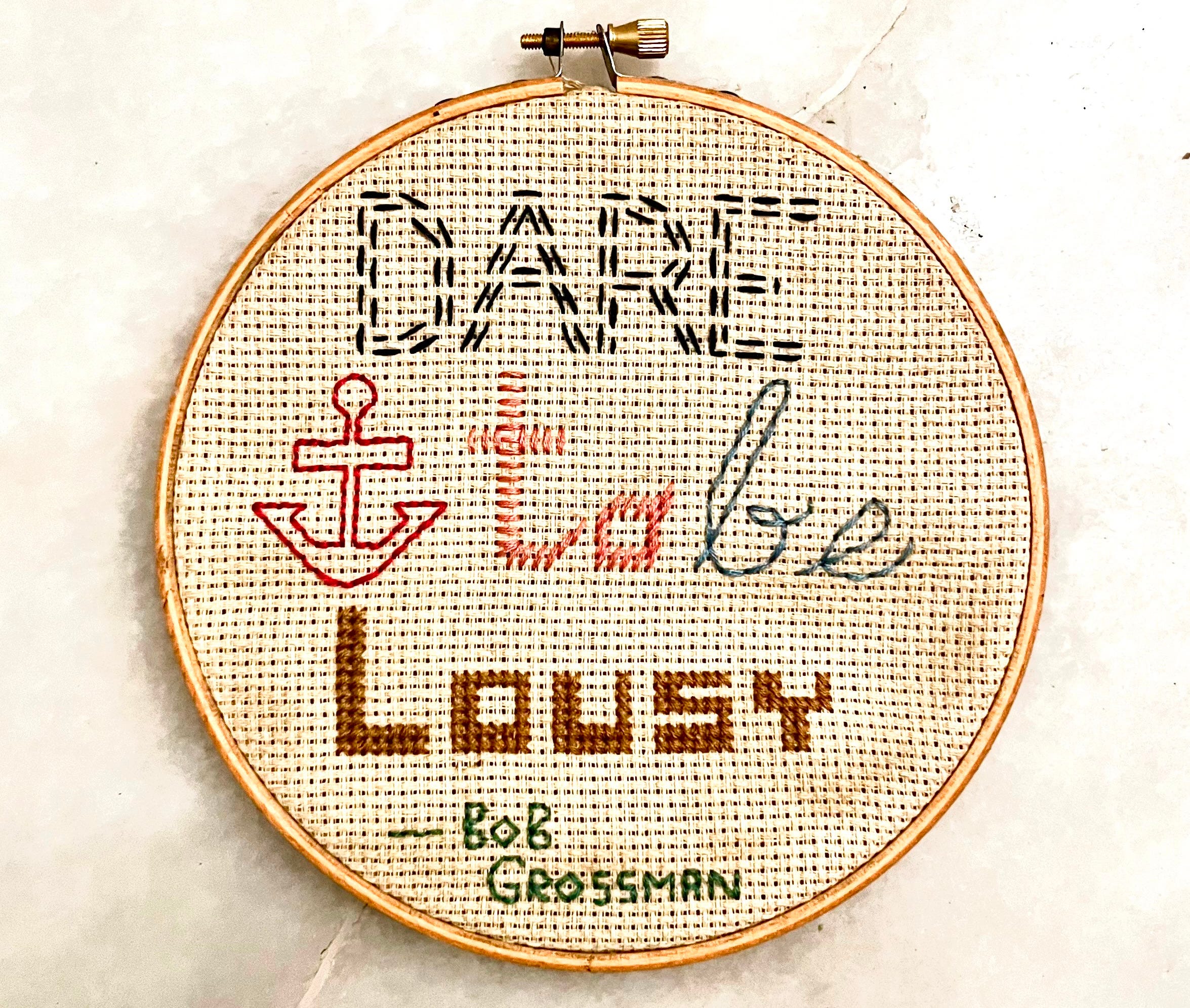
This is something I learned from my late dad, a prolific political cartoonist. He used to always tell me I needed to “Dare to be lousy.” He wasn’t encouraging lousiness; he was telling me that, in order to produce amazing things in this world, you have to be able to keep your fear of failure at bay. When you are trying to create something out of nothing, it’s unlikely that you’re going to hit the nail on the head every time. But the next time might be the time you do get it just right. It’s that variable rate of reinforcement that keeps creative people in the game.
I thought of this when I was listening to Bari Weiss’ recent interview with Woody Allen. He’s made something like 50 movies in the last 60 years. It was a weird interview: She asked him his favorite brand of antacid! But she also asked him how many of his movies he actually liked. He said fifteen. That’s thirty percent, which is actually an excellent batting average! Nevertheless, I’m sure that when he was working on each of those other thirty-five films, he was sure that it was going to be the best one yet. Most people don’t have the courage to try to make even one movie, let alone fifty. You know what my people call thirty percent of zero movies? Bupkis.

I come from a whole family of artists, and here’s something else I’ve noticed about them: they’ve usually made peace with the possibility of failure. I watched my dad go through fallow periods, surviving on dollar pizza and counting nickels to get on the subway. But a subway ride is a subway ride no matter how you pay for it, and dollar pizza… is still pizza! He was always sure that next month, things would turn around.
This kind of acceptance of the worst case scenario and faith in future success must make many creative types especially cockeyed entrepreneurs…
Like me.
Three Hots and a Cot
When I started having to sign personal guarantees on business loans and leases, I figured, heck, what’s the worst that could happen! Bankruptcy? What can they take from me if I don’t own anything?
What’s more, I just generally felt I was lucky. This might also be something I got from my dad. He used to say to me “You just have to accept that you may be someone for whom everything is always going to work out and other people are going to be jealous of that fact.” I don’t know where he got this idea, but it sounded good to me!
Once, when discussing our respective Lotto ticket habits with my uncle, a painter-cum-scultpor-cum-silk-screener-cum-animator, he said “The Powerball is how I hope to be able to provide for my family.” When I told him I had found freedom in not being scared of the worst case scenarios of business ownership, he told me he felt similarly at peace about the prospect of jail: “The meals are included!”
I wouldn’t go that far. And of course I couldn’t imagine I ever would need to. Ditto bankruptcy. Business ownership seemed risky, but, as a congenital anti-neurotic, I just felt like it would all be okay. I was basically already a MegaMillions winner. I mean, think of all the sperm and all the eggs in this world that never got a chance to meet…and yet, here I am!
It was mid-2012 when I first started teaching puppy kindergarten classes and conducting private dog training lessons in the tricked-out living room of the rent-stabilized Manhattan apartment I grew up in. I used what I knew about journalists’ appetites to do some killer PR right off the bat. I began showing people how they could teach their dogs to touch their noses to a touchscreens and, using various apps, produce dog selfies and drawings. Within a year, I had the Associated Press, the Today Show and The Wall Street Journal visiting my School For The Dogs to cover these iPad dog training classes (none of these reporters realized they were actually in my living room). By the end of 2012, the business was reliably bringing in $10,000 a month, very little of which had to go to overhead.

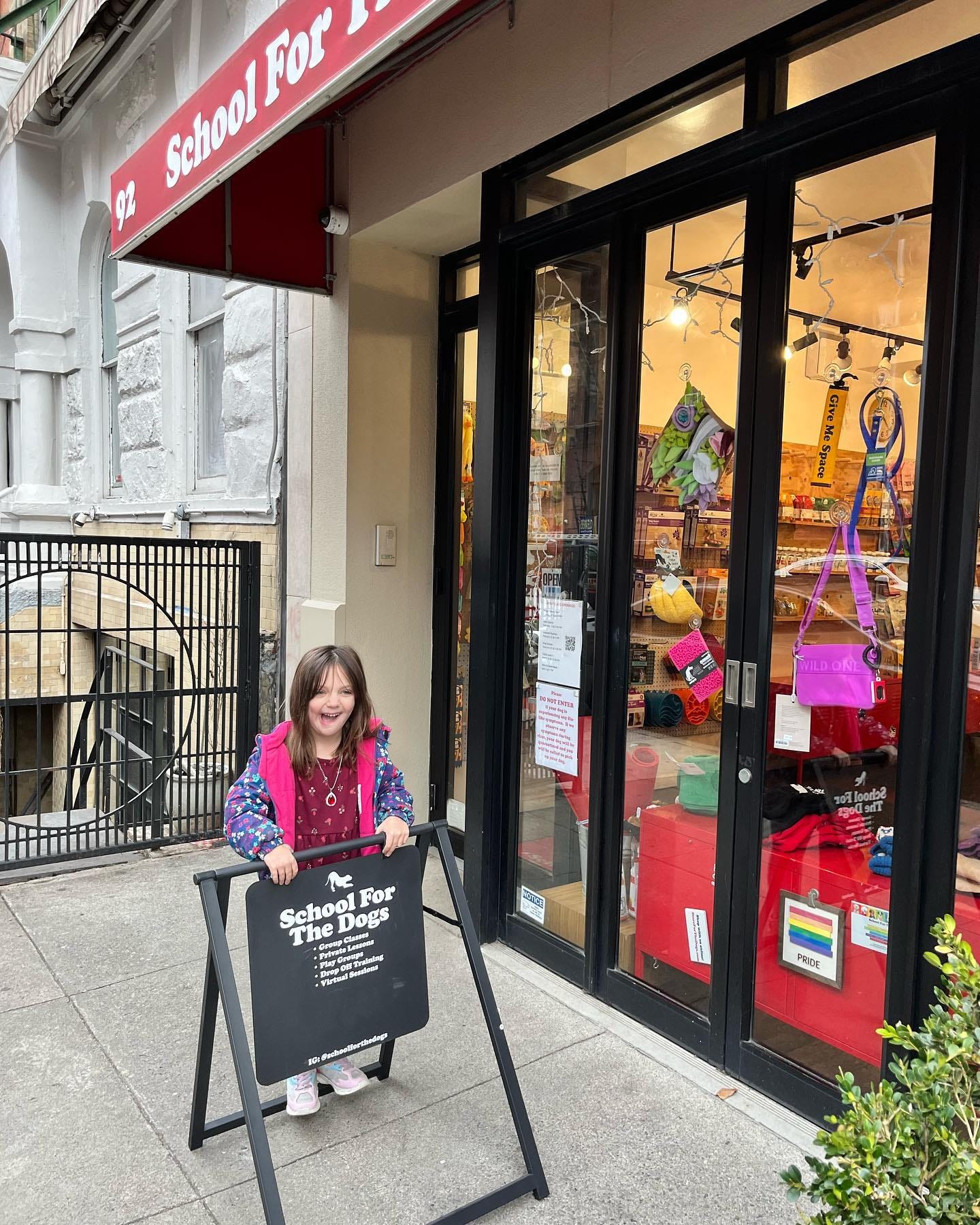
But the whole operation soon outgrew my apartment. And then everything went up in flames. Literally. A few days after Christmas in 2013, a freak electrical fire wrecked my building. I was lucky to survive, and lucky again when, just a few weeks later, devoted clients started pitching in to put together the six months of security I needed to put down on a small storefront with a yard just north of Houston Street. In 2015, the business moved into a slightly larger space in the same building.
Terror In The Margins
Here’s a lesson that seems simple but really only congealed for me after I got an MBA from the school of hard knocks: It costs a lot to run a business— especially if you are trying to provide a high quality of service in a notoriously expensive city— and a key to staying open is to bring in more than you spend. Let’s take a quick break so you can write that down.
The fact that my business was bringing in any money, let alone five (and later six) figures a month, to some extent seemed to me like a happy accident. I don’t think anyone who knew me before I started School For The Dogs would’ve pegged me as a natural businesswoman; I was no dummy, but writing a business plan never seemed as important to me as, say, composing songs on the the ukulele for my dog while smoking weed. I tried to teach myself Quickbooks, but never once made a budget, or managed to pay myself more than I made as a journalist. But my weaknesses seemed forgivable as long as there was, overall, more money coming in than going out. Got your pencil? That’s called profit margin.
As long as the in number was bigger than the out number, I felt okay that I was maybe less than great at being in charge. I tried to make up for my lack of biz savvy by putting my talents to use wherever I could: I wrote a curriculum to train prospective trainers, hosted networking events, started a blog and a podcast, got press coverage, and wrote a book proposal.
By the time I had my first baby in 2019, School For The Dogs was operating out of a two story studio on East 7th Street, with a retail shop and a yard. I had more than a dozen employees. Payroll was around $40,000 a month, rent another $11,000. After a staff shake up late that year, I stayed up until 4AM with my husband and (bless her) my mother-in-law on New Year’s eve, figuring out a new performance-based pay scheme that staff needed to be informed about on the first day of the year. When I got the Profit and Loss statement a month later, I saw we’d cleared $125,000 in January. It was our best month ever, and it seemed like there was nowhere to go but up.
And then there was a global pandemic.
Like so many businesses, School For The Dogs had to close in March of 2020; there was no break on rent or utilities, or any idea when things would go back to normal. I was thrilled to get Paycheck Protection Plan money and an Economic Injury Disaster Loan from the Small Business Administration; I used those funds to keep my staff employed by moving as much as I could online - we started offering virtual consults, hosting webinars, and ramped up our online retail presence.
Trying to turn a storefront dog training operation into a web-based product was exhausting -- especially when I was also trying to tend to my one-year-old, with little to no help on the childcare front. When the shop was finally able to open up again, I was exhausted and ready to get back to business as usual… but in the fog of it all, I lost good trainers who were hard to replace, and everyone who stayed needed more money in order to afford the increased costs of living in New York City. Business costs also started going up: the electric bill tripled, for instance. And then the landlord sent me a $30,000 invoice for my share of the building’s taxes because he forgot to send a bill in each of the previous three years.
As more money was going out, less was coming in. A dozen of our best clients - a majority of the handful who were spending five figures a year with us - left town and never came back.
“But didn’t so many people get dogs during the pandemic?” you ask.
Yes. But these new dog owners seemed to be less inclined to leave the house to take classes, or meet a trainer in person. And, with more people working from home, there was atrophy to the part of the business that was devoted to walking and training people’s dogs while they were at work.
In late 2021, the part-time (aka “fractional”) CFO I’d been working with told me I could no longer afford him. I’d brought him on a year earlier to help me make sense of the pandemic-rattled books and try to get things back on track.
In hindsight, I think a lot of businesses that made it through 2020 were still afloat through most of 2021 thanks to low-interest government loans and clients flush with PPP money, tax credits, and unusually generous refunds. But by the holidays, the tide was turning.
At the time, though, it didn’t occur to me that my struggles might have had less to do with my own bad luck or piss-poor business stewardship and more to do with the economy as a whole.
“Before you go,” I said, “can you just succinctly tell me what the issue is, so I can at least explain it to people when they ask why things have turned south?” My hands hovered over the keyboard, ready to take down every word.
He just shrugged.
Bad Boss
Come early 2022, I was facing a problem even more enigmatic than my balance sheet: My business “culture” seemed like it was nose diving. The camaraderie I had felt with staff during the pandemic - that sense that we needed to have all hands on deck - had slipped away.
I suppose I always imagined I had leadership skills, but in a way that just seemed like a given, like my belief that I have good character, or a nice smile. I didn’t realize it was something I needed to work on and develop, nor could I see how I was going to be able to do that when I felt like I was already barely hanging on.
From the beginning of my foray into small business ownership, my management style was very hands off, which is really not a style as much as it is just ineptitude. With my kids, my laissez-faire softy-boho approach to running things works fine: They are super well-behaved and tell me they love me seventeen times a day. When I have to occasionally draw the line (because bedtime can’t be eleven on a school night, and it’s not okay to pretend a penny is chewing gum) my words are heeded.
But with my employees, whenever I asked for anything, I felt like I was being treated like I was a massive control freak with anger issues. At one point I got agitated because my employees kept failing to turn on a large pendant light that hung in the center of the store, no matter how many times I asked them to do it or wrote reminders on Post-its. When I expressed my frustration, the head trainer suggested I call a meeting to explain why it was important to me that the light be turned on, and to solicit feedback on how to address the problem as a group.
Seriously?
If I didn’t do this, she said, they might turn on the light, but they’d do it resentfully.
I wasn’t asking them to clean the toilet with a toothbrush. Flipping a switch is literally a go to metaphor for doing something easy!
I called an electrician and had the fixture removed.
I Saw The Sign🎶
I kept having the not-so-crazy thought: There must be someone out there who could run this business better than me. But how could I find such a person?
If you’re like most of my friends, you’ve never hired anyone beyond a babysitter — which means you might not realize how hard it is to become an employer. When I brought on my first employee, I assumed I’d be getting a kind of copy-paste version of myself: someone who thought like me, worked like me, and just needed a little sunlight and regular watering, like a cutting from the aloe plant that is me.
This is, to say the least, a misguided point of view.
As I evolved as an employer, I started digging Steve Jobs’ oft-quoted advice: Hire smart people and have them tell you what to do.
If only I could find said “smart person” to tell me what to do! Maybe they could explain to me how someone resentfully turns on a light.
In my dreams, this new employee had a name: General Manager. I didn’t really have the money to bring someone like this on, but thought that getting the right person would help bring money in. Maybe there was some sharp, retired Fortune 500 VP or a trust-funder with a Wharton MBA who’d come on just for the chance to be around dogs?
I first had this idea in 2019, and brought on a woman who had extensive experience managing a large dog daycare. She had a stern-but-cool mom vibe that I thought would jibe with my staffers. At the end of her first training day, she left the shop keys and her Moleskin at the front desk. I texted to let her know. She wrote back that she didn’t like being contacted outside of work hours and said she wouldn’t be returning. I still have the notebook.
I tabled the idea for years, but in 2022 decided I would use my dwindling COVID loan money for this hire, and also to hire a company to help me find the right person. I just couldn’t afford to get it wrong again. The recruiter vetted a dozen candidates for me and narrowed it down to three. The one I picked, after several rounds of interviews, seemed like she had been summoned from my dreams - a former high-up hospital administrator whose references described her as an angel descended from the heavens. But then, the morning she was supposed to start, she called to tell me she wanted a salary that was twenty-percent more than we had agreed on, and three times as much vacation.
The next person I hired for this much-needed role came into the position with less fanfare: I put out an ad, she responded, and I had a good feeling about her. She’d been a vice president at a major PR firm, sent a well-crafted cover letter, and had a kind of no-nonsense, unflinching poise — the kind of person who only ever buys sensible shoes. Competence made flesh. Uncannily, her name sounded almost exactly like the word “bossy”—which, given my own complicated relationship with wielding authority, felt like a sign from on high.
On the Monday she started, I told her she could work from home so she could spend some time, uninterrupted, getting really familiar with the handful of databases I’d recently built to help streamline operations. I’d put together a detailed guide to navigating them — a kind of home base of databases. I cheekily called it the Ace of Base. I sent it to her new work email address and told her we’d go over everything together on Tuesday.
When Tuesday rolled around, she told me she’d done a deep dive into Ace of Base but couldn’t figure out what it had to do with my databases. Turns out she’d spent eight hours learning about the Swedish pop band from the ’90s… Ace of Base. At no point had it occurred to her to set up her new work email. Or to call me.
“I didn’t want to bother you,” she said.
I’d ordered a Sheryl Sandberg. Instead I got Amelia Bedelia.
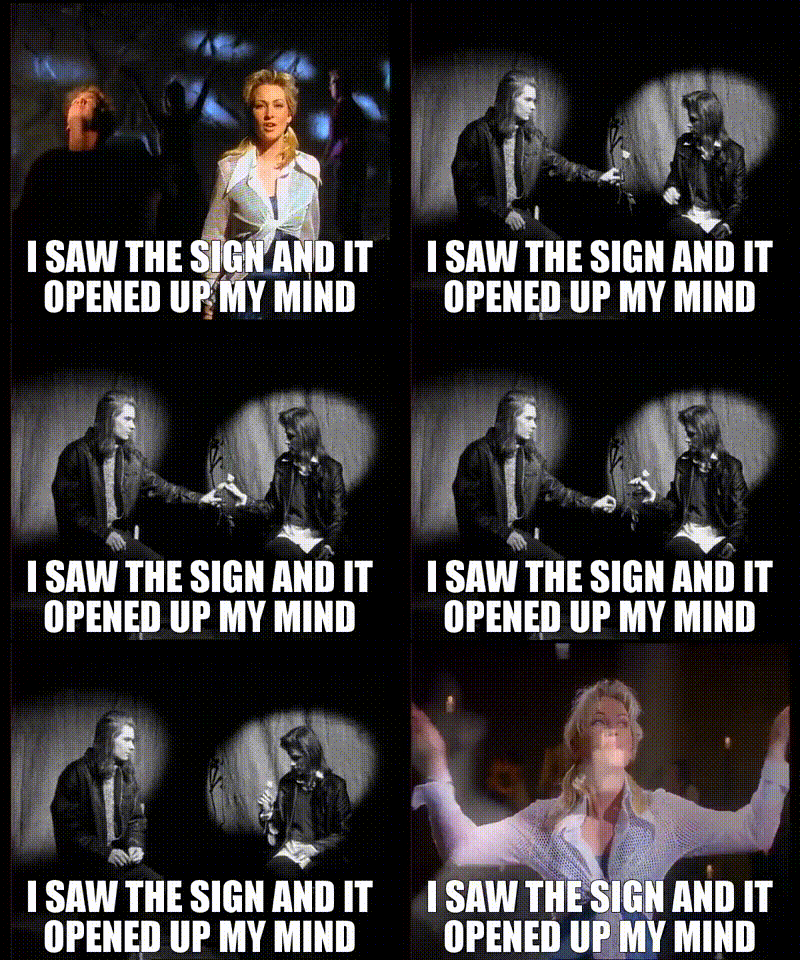
Kindness Cures All?
Around this time, I started wishing I could just be a mom. In the words of Ace of Base: All that she wants is another baby! Well, sort of. I was late to parenthood, having my first right before I turned 39. I wanted to be a mom an thought I might not get the chance, and now I had this thing I had so desperately desired and… I worried I was too distracted to be good at it. I’m hardly the first mother to feel torn between raising kids and working. If I wasn’t sleeping, I was doing one of those things — and sometimes both at once. Too often, the business felt like a needy, tantrum-prone child, siphoning attention from the two sweet and easy, lovely ones who weren’t just metaphors.
If I could’ve cleanly cut the umbilical cord on that devil child, I would have. But it felt easier — or at least less impossible — to keep going and … and try to catch enough of my kids’ childhoods to feel like I’d been there.
Lacking the support of a McKinsey consultant, I thought maybe I could save the day with sheer enthusiasm and gratitude. I’d send Amazon gift cards to trainers who sold particularly big packages, but they’d usually go unacknowledged, making me unsure if they were even received.
“I’m your biggest fan!” I said to a trainer one day as she was leaving the shop. This was part of my kindness initiative, but I also really meant it.
She replied “You’ll have to duke it out with my mom.”

Forgive the musical theater reference but I often felt like I was trying to play the role of Patty Simcox, the relentlessly optimistic cheerleader in Grease, to a bunch of slouching Pink Ladies blowing smoke in my face. A friend who owned another struggling small business noted a similar vibe shift with her people. “I don’t need their appreciation,” she said, “it’d just be nice if they didn’t act like I was trying to screw them all the time.”
Another friend lectured me on what he called “Authoritative Transference.”
“You are not you to them,” he said. “You are the owner of the means of production. The bourgeoisie. You’re also probably a projection of a punitive parent. You are, in short, The Man.”
The Man? I didn’t feel like The Man.
I felt like The Doormat.

Sometimes the real entrepreneurial risk isn’t money- it’s letting people see you try, miss, adjust, and keep going anyway. Daring to be lousy is a killer moat!
Thank you for sharing, Annie. For what it's worth, you helped my rescue pup, Leila, adjust to big-city life when I adopted her in the summer of 2013. She's a healthy, happy senior doggy now, approximately 14 years old, and we're still grateful for the training sessions we took with you at School for the Dogs. Sending you so much love. 🙏🏻 💜